Willesden Green gardeners for Roundwood Park homes NW10: a practical guide for local homes
If you live near Roundwood Park and your garden has started to feel a bit more like a job than a joy, you are not alone. London gardens can change quickly: one wet week, one windy spell, a little neglect, and suddenly the lawn looks tired, hedges lean out of shape, and borders get swallowed by weeds. That is where Willesden Green gardeners for Roundwood Park homes NW10 come in. The right local gardener does more than "tidy up"; they help keep your outdoor space manageable, attractive, and suited to how you actually live.
This guide explains what local gardeners typically do, how the service works, what to expect, and how to choose the right support for your home. It also covers practical decisions, common mistakes, and the kind of details that tend to matter once you are the one paying the bill. Truth be told, that is usually where the real questions begin.
Table of Contents
- Why it matters
- How it works
- Key benefits and practical advantages
- Who this is for and when it makes sense
- Step-by-step guidance
- Expert tips for better results
- Common mistakes to avoid
- Tools, resources and recommendations
- Law, compliance, standards, or best practice
- Options, methods, or comparison table
- Case study or real-world example
- Practical checklist
- Conclusion
- Frequently asked questions
Why Willesden Green gardeners for Roundwood Park homes NW10 Matters
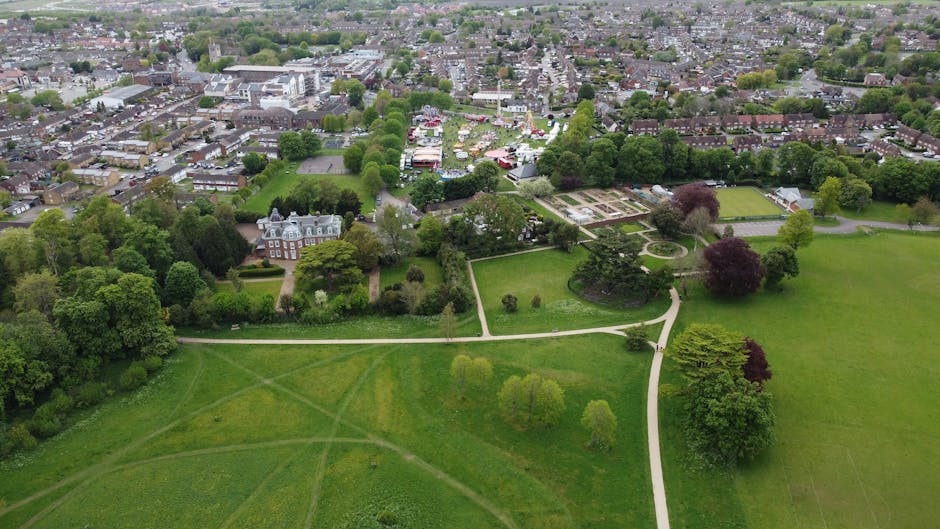
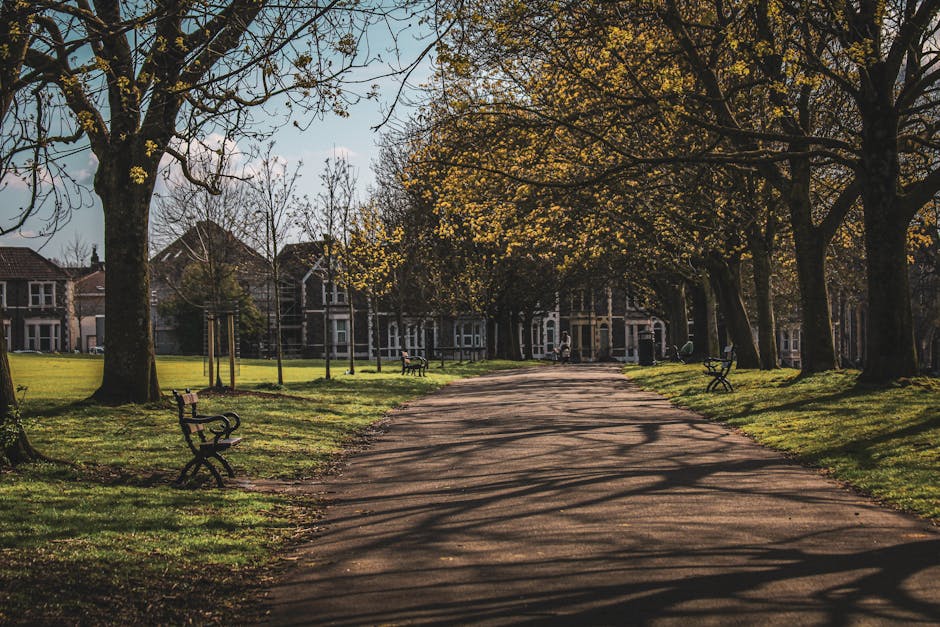
Roundwood Park sits in an area where homes often have compact front gardens, enclosed rear gardens, side returns, and a mixture of paving, planting, and lawn. That sounds straightforward, but in practice it creates a few challenges. Spaces can be awkward to access, planting beds can be shaded by neighbouring buildings, and the garden can need both routine maintenance and occasional heavier work.
A good gardener understands that local gardens are not identical. A north-facing courtyard near the park will not need the same approach as a sunny family garden with long grass, a hedge boundary, and a bit of decking. The best Willesden Green gardeners do not treat every plot like a blank slate. They look at light, drainage, access, privacy, seasonal growth, and how much upkeep you are realistically prepared to do yourself.
That matters because a neglected garden becomes expensive in a quiet way. It does not shout for attention all at once. It just gets harder to manage each month. Dead growth builds up, hedges lose shape, lawns thin out, and what started as a quick tidy-up becomes a bigger reset. If you have ever looked out at a damp April morning and thought, "Right, this has got away from me," you know the feeling.
Local gardeners are also useful because they can spot patterns early. A patch of yellowing grass, an overgrown shrub blocking light, or a tree leaning a little too far can all be handled before they become real headaches. That kind of practical judgment is worth a lot.
How Willesden Green gardeners for Roundwood Park homes NW10 Works
Most gardening services start with a brief assessment of the space and the work required. For many homes, that begins with routine maintenance: mowing, weeding, hedge trimming, edging, pruning, and clearing away cuttings. For others, it may involve a one-off clearance or a larger improvement plan.
At a sensible professional level, the process usually looks like this:
- Initial conversation: You describe the garden, the problems, and the result you want.
- Site review: The gardener checks access, size, condition, and any safety concerns.
- Plan and scope: You agree what will be done now, what can wait, and whether the job is one-off or ongoing.
- Work carried out: The team completes the agreed tasks using suitable tools and safe working methods.
- Waste handling: Cuttings, branches, and green waste are removed or prepared for recycling where applicable.
- Next steps: You may receive advice on follow-up care, seasonal maintenance, or future improvements.
The exact rhythm depends on the garden. A simple lawn and hedge job might be done in one visit. A garden clearance or a more involved redesign could need several visits or separate stages. In our experience, the clearer the brief, the better the result. That sounds obvious, but it saves a lot of awkwardness later.
If you are comparing services, it can help to understand the broader range of support available through a services overview. Routine care, larger clearances, and landscaping work all serve different needs, and it is not always a single-service answer.
Key Benefits and Practical Advantages
The most obvious benefit is time saved. But honestly, that is only the beginning.
- Better presentation: A cared-for garden makes a home feel more settled and looked after.
- Safer access: Overgrown paths, slippery surfaces, and low-hanging branches can all become a nuisance.
- Healthier growth: Regular pruning, mowing, and weeding help plants compete properly and stay balanced.
- Reduced stress: A tidy garden is simply easier to live with. You notice it when you open the back door.
- Seasonal control: Spring and summer growth can be handled before it runs ahead of you.
- Better use of outdoor space: Small gardens in NW10 often need smart spacing and sharper structure to feel usable.
There is also the less glamorous but very real benefit of consistency. A one-off tidy can make a garden look good for a week or two. A proper maintenance plan keeps it looking acceptable in the middle of the month as well, which is usually the harder bit. Let's face it, gardens rarely stay tidy on good intentions alone.
For homes where hedges are front-and-centre, regular hedge trimming can make a dramatic difference to privacy, shape, and kerb appeal. Likewise, if the lawn has become patchy or uneven, scheduled lawn mowing is a small job that often changes the whole feel of the space.
Who This Is For and When It Makes Sense
This kind of local gardening support is useful for a wide range of homeowners and landlords in and around Roundwood Park. The reasons differ, but the need is often the same: the garden is important, yet there is not enough time, equipment, or energy to keep on top of it properly.
It tends to make sense if you are:
- a busy household juggling work, school runs, and everything else;
- an older homeowner who wants outdoor space kept safe and manageable;
- a landlord preparing a rental property between tenancies;
- a homeowner planning a sale and wanting the garden to look cared for;
- someone with a garden that has become overgrown after a few missed seasons;
- a family wanting a child-friendly or pet-friendly outdoor space;
- someone who wants regular help but not a full redesign.
It also makes sense if your garden has one issue that keeps nagging at you. Perhaps a hedge is blocking light. Maybe the lawn is too tired to recover on its own. Or there is a pile of cuttings, broken branches, and old pots at the back that you keep meaning to deal with. We have all got that corner, haven't we?
If the job is more than routine upkeep, you may benefit from garden clearance before maintenance even starts. And if you want to improve layout, drainage, levels, or planting structure, it may be worth discussing landscaping or more detailed landscape gardening.
Step-by-Step Guidance
If you want a practical way to approach the job, this is the simplest route.
- Walk the garden first. Look at everything in daylight if you can. Notice the messy bits, but also the patterns: shade, standing water, dead corners, cramped access, and anything that feels unsafe.
- Separate the work into categories. Routine work might include mowing and hedge shaping. Bigger jobs may include clearance, replanting, tree work, or repairs to hard landscaping.
- Decide what matters most now. A garden does not need every problem fixed in one go. Usually, the priority is safety and basic control first, then presentation, then improvements.
- Ask for the right service mix. One visit might combine mowing, trimming, weeding, and waste removal. Another might focus on a single task. There is no prize for making it complicated.
- Set a realistic maintenance rhythm. Weekly, fortnightly, monthly, or seasonal visits each suit different gardens. A fast-growing space near mature planting will need more frequent attention than a simple paved courtyard.
- Review the results. After the first visit, check whether the space now feels easier to manage. If not, the plan may need adjusting.
A sensible first-time approach is often a reset visit followed by lighter upkeep. That way, you are not forever chasing the same overgrowth. And once the base condition improves, every later visit becomes easier. Much easier, actually.
Expert Tips for Better Results
Small decisions make a big difference in gardens like these, especially where space is limited and everything is visible from the house.
- Keep paths and edges sharp. Clean edges make a garden look maintained even when planting is simple.
- Do not cut everything back too hard. Some shrubs and hedges recover better from gradual shaping than from severe cutting.
- Think in seasons. Spring growth, summer watering, autumn leaf drop, and winter structure all create different tasks.
- Use waste removal strategically. Clearing away cuttings and debris is part of the job, not an optional extra in any meaningful sense.
- Balance beauty with maintenance. A garden that looks impressive but is impossible to look after is a short-term win and a long-term pain.
- Check drainage after rain. A small puddle can tell you more than a whole afternoon of guesswork.
One useful habit is to keep a simple note of what happened after each visit. What grew fastest? Which area stayed damp? Which corner became scruffy first? Those observations help shape the next round of work. They also prevent the classic "why is this bit always a problem?" mystery. Gardening does love a recurring mystery, to be fair.
If your outside space includes timber features, it may be worth looking at decking services as part of a broader tidy-up, especially where a deck needs attention alongside beds, borders, or paving.
Common Mistakes to Avoid
Most garden problems are not dramatic. They come from small oversights repeated over time.
- Waiting too long to act: By the time everything feels "really bad," the work becomes larger and slower.
- Booking only one-off work forever: A single tidy is useful, but some gardens need recurring maintenance to stay manageable.
- Ignoring access issues: Narrow paths, side gates, and shared access can affect how work is carried out.
- Assuming all plants can be cut the same way: Different shrubs, hedges, and climbers need different handling.
- Overlooking waste collection: Piles of green waste create their own problems if they are left behind.
- Choosing style over practicality: A low-maintenance layout usually works better for busy NW10 households than a high-maintenance one.
One of the sneakiest mistakes is hiring help without being clear about what "done" looks like. If you want a hedge shaped, say so. If you want the whole back section cleared, say that too. No one can read minds, unfortunately. Gardening would be easier if they could.
Tools, Resources and Recommendations
You do not need specialist knowledge to manage a good conversation with a gardener, but a few practical tools help.
- Photos of the garden: Useful for showing problem areas before a visit.
- A simple list of priorities: Helps avoid forgotten tasks and mixed expectations.
- Basic seasonal calendar: Handy for remembering when hedges, lawns, and borders usually need attention.
- Note of access instructions: Gate codes, parking limits, or neighbour considerations can save time.
- Maintenance plan: Even a rough monthly outline is better than deciding from scratch every time.
It can also help to review a company's broader approach to working practices and customer care. For example, pages covering insurance and safety, health and safety, and recycling and sustainability can give you a better sense of how seriously a provider treats the practical side of the work.
If you are comparing service levels or want a clearer idea of how requests are handled, it is also worth looking at pricing and quotes. Not every garden needs the same setup, so clarity is more useful than assumptions.
Law, Compliance, Standards, or Best Practice
Garden work in a residential area is usually straightforward, but there are still sensible standards to follow. Professional gardeners should work carefully around people, pets, neighbouring properties, uneven surfaces, and sharp tools. That means using suitable equipment, keeping walkways clear where possible, and managing waste responsibly.
For heavier or riskier jobs, such as tree work, it is especially important to use proper judgment. Tree lopping and removal can involve falling branches, access issues, and property damage if handled poorly. That is not something to treat casually. If a tree is large, unstable, or near a structure, expert assessment matters more than a quick fix.
Reasonable best practice in the UK also includes respect for privacy, boundary lines, and neighbour relations. In dense streets around Willesden Green and NW10, that can matter as much as the gardening itself. A tidy job is good; a tidy job without disputes is better.
For that reason, it is sensible to work with providers who are transparent about their policies and procedures, including terms and conditions and complaints procedure. It is not exciting reading, granted, but it does show how the business handles real-world issues if they arise.
Options, Methods, or Comparison Table
Different gardens need different kinds of help. Here is a simple comparison to make the choice easier.
| Option | Best for | Typical outcome | Things to consider |
|---|---|---|---|
| Routine garden maintenance | Homes that need regular upkeep | Cleaner, safer, more consistent outdoor space | Works best when scheduled, not just occasional |
| One-off tidy-up | Gardens that have slipped behind | Immediate improvement and regained control | May need follow-up visits to stay manageable |
| Garden clearance | Overgrown or neglected spaces | Removal of excess growth, waste, and clutter | Often the first step before maintenance |
| Landscaping or design-led work | Spaces needing layout changes or improvement | Better structure, usability, and visual balance | Takes planning and usually more than one stage |
| Tree work | Large branches, unsafe growth, or blocked light | Improved safety and space management | Should be approached carefully and professionally |
If you are unsure where your own garden fits, that is normal. A lot of properties need a mix: a bit of clearance, some maintenance, and one or two improvement jobs. Gardens are rarely neat little categories. They tend to be a bit of everything.
Case Study or Real-World Example
Here is a realistic example from the kind of home this topic usually describes.
A family living near Roundwood Park had a rear garden that looked fine from the kitchen window but felt unusable in practice. The lawn had become uneven, the hedge had thickened enough to block light, and the back corner had turned into a quiet dumping ground for plant pots, broken twigs, and forgotten bags of soil. Nothing dramatic. Just enough to make the space feel heavier every time they stepped outside.
The first visit focused on control: mow, trim, clear, and remove waste. That changed the feel of the garden immediately. The next stage was more deliberate: shaping the hedge properly, improving access along one side, and setting out a simple monthly maintenance rhythm. The garden did not become "finished," because real gardens rarely do. But it became manageable, which is far more useful.
The key lesson was simple: do not try to solve a tired garden with one vague tidy-up and hope for the best. Start with the areas that block use and light, then build from there. Small wins add up.
Practical Checklist
Before you book local gardening help, run through this quick checklist.
- Do I want a one-off tidy, ongoing maintenance, or a larger improvement?
- Are there areas that need urgent attention, such as overgrowth, waste, or unsafe access?
- Have I taken photos of the main problem spots?
- Do I know whether I need lawn care, hedge trimming, clearance, or landscaping?
- Is there anything the gardener should know about access, parking, or neighbours?
- Have I decided what matters most: safety, appearance, privacy, or usability?
- Do I understand what will happen to clippings and garden waste?
- Have I checked the provider's policies, payment information, and service scope?
Expert summary: the best results usually come from matching the service to the actual condition of the garden, not the ideal version you hope will appear after one visit. Start with control, then build consistency. That is the trick, really.
Get a free quote today and see how much you can save.
Conclusion
Willesden Green gardeners for Roundwood Park homes NW10 are most valuable when they solve a real problem, not just a cosmetic one. They help busy households keep gardens tidy, improve safety, manage seasonal growth, and turn awkward outdoor spaces into something easier to live with. Whether you need regular maintenance, a hedge cut back, a lawn revived, or a full reset after months of neglect, the right approach is usually practical, local, and steady.
If you take one thing from this guide, let it be this: a good garden plan does not need to be elaborate. It needs to be realistic. Start with the work that restores order, then keep it there with sensible upkeep. That way, your garden becomes part of home life again instead of another task hanging over you. And that feels better than it sounds.
Frequently Asked Questions
What do Willesden Green gardeners for Roundwood Park homes NW10 usually include?
They often include lawn mowing, hedge trimming, weeding, pruning, border tidy-ups, green waste removal, and general garden maintenance. Some gardens also need clearance or landscaping work if they have become overgrown or need layout changes.
How often should a garden in NW10 be maintained?
It depends on the size of the space, the planting, and how fast things grow. Many gardens benefit from fortnightly or monthly attention during the growing season, while smaller or simpler spaces may only need seasonal visits. The key is consistency.
Is a one-off garden tidy enough?
Sometimes yes, especially if the garden is only slightly out of control. But if growth is fast or the space has been neglected for a while, a one-off tidy is usually only the first step. Regular follow-up work tends to give better long-term results.
Do I need garden clearance before maintenance?
If the garden is cluttered, heavily overgrown, or full of old cuttings and debris, clearance is often the right starting point. It clears the way for proper maintenance and makes the rest of the work easier and more effective.
Can gardeners help with small front gardens as well as back gardens?
Yes. Small front gardens are often just as important because they affect kerb appeal, light, and day-to-day presentation. In compact London properties, a front space can make a surprisingly big difference to the feel of the home.
What should I ask before booking a gardener?
Ask what is included, how waste is handled, whether the job is one-off or ongoing, and how pricing is structured. It also helps to ask about access, timing, and whether any safety or insurance information is available if the work is more involved.
How do I know if my garden needs landscaping rather than maintenance?
If the issue is mainly overgrowth or general untidiness, maintenance may be enough. If you want to change levels, layout, paving, planting structure, or the way the space is used, then landscaping or landscape gardening is more appropriate.
What if my hedge is blocking light or space?
That is a common issue in NW10 gardens. A professional hedge trim can reduce bulk, improve shape, and let in more light without making the boundary look bare. The trick is to trim for balance, not just to cut hard and hope.
Do gardeners take away the waste?
Often they do, but it should always be confirmed in advance. Waste removal matters because a garden that has been cut back can still look unfinished if all the clippings are left behind. That part is not minor; it changes the result completely.
Are tree jobs part of normal gardening?
Not always. Smaller pruning may sit within general maintenance, but larger or riskier tree work usually needs a more specific service. If branches are large, near buildings, or posing a safety issue, it is better to treat the job carefully.
How can I keep costs under control?
Be clear about priorities, combine tasks where it makes sense, and keep up with maintenance rather than allowing major build-up. A small monthly visit is often easier to manage than occasional emergency clearances. Not always, but often enough.
What is the best first step if my garden looks completely overwhelmed?
Start with a reset: clearance, mowing, cutting back overgrowth, and removing waste. Once the space is under control, you can move on to regular maintenance or longer-term improvements. The garden does not need to be perfect on day one. It just needs a way back.
How do I contact a local team for more help?
If you are ready to talk through your garden needs, use the contact page to request the next step and explain what your space needs most. A clear first message usually gets you a clearer response.